1910 · Paris, France
Chanel
The House of Liberation
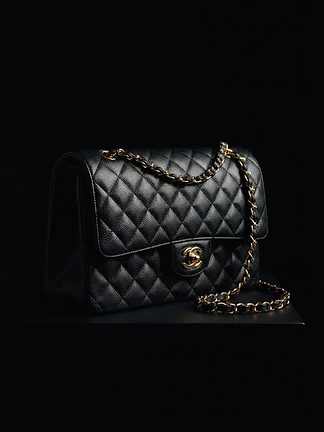
Gabrielle Chanel freed the hand. The shoulder chain, the quilted leather, the clasp that bears her initials — each was an act of autonomy made wearable.

The Heritage
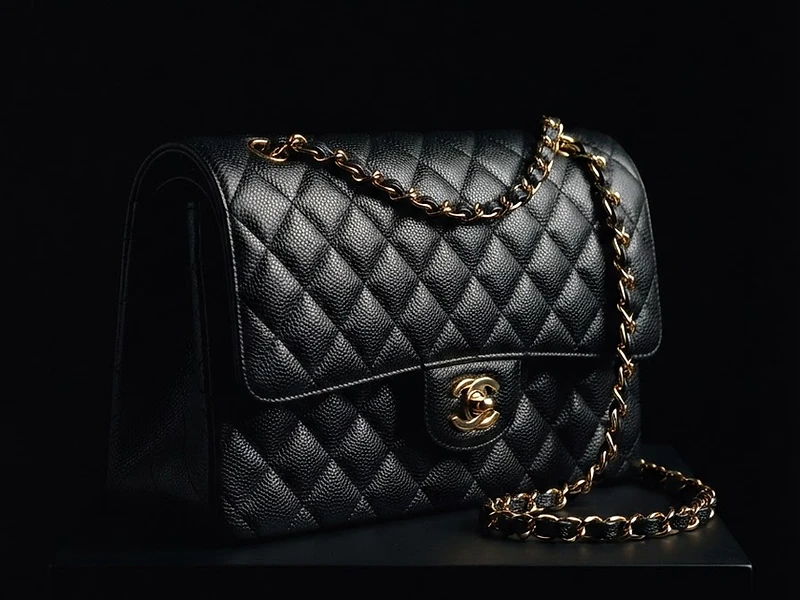
Gabrielle "Coco" Chanel opened her first hat shop in 1910, but it was in February 1955 that she released the 2.55 — a shoulder bag with a chain threaded through leather so a woman could finally use her hands. The quilted stitching was borrowed from the jackets of stable boys she admired.
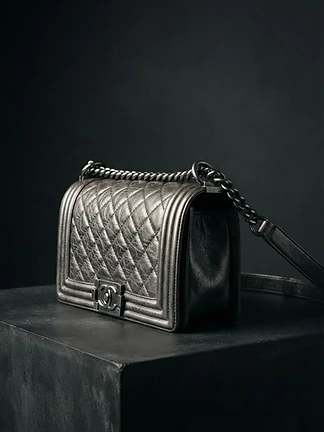
In the 1980s, Karl Lagerfeld reissued the flap with the interlocking CC clasp and a leather-woven chain, creating the Classic Flap that has scarcely changed since. The Boy, introduced in 2009 and named for Coco's lover Boy Capel, brought a harder, more architectural geometry to the house code.
Caviar and lambskin — the two leathers of the Classic — are chosen for opposing reasons: one for its armor-like grain, the other for its butter-soft drape. A Chanel flap is less an accessory than an artifact of a woman's autonomy.
1910
Founded
2.55
The Icon
II
Signature Leathers
∞
Endurance
Signature references — Classic Flap · 2.55 · Boy
Current Inventory
Held in the Vault
2 Objects