1837 · Paris, France
Hermès
The Saddle-Maker's Maison
Born from the harness workshops of 19th-century Paris, Hermès treats leather as a discipline measured against the gait of a horse — and now, the patience of an artisan.

The Heritage
Founded in 1837 by Thierry Hermès as a harness workshop in the Grands Boulevards quarter of Paris, the house first dressed the horses of Europe's nobility. Its earliest commissions were wrought for coronations and carriages — leather measured against the gait of a horse.
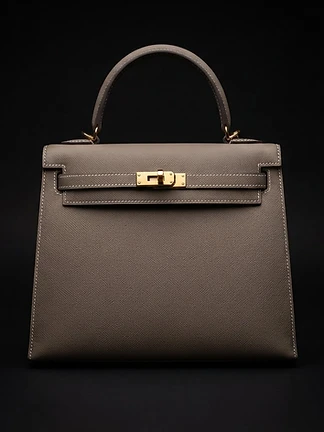
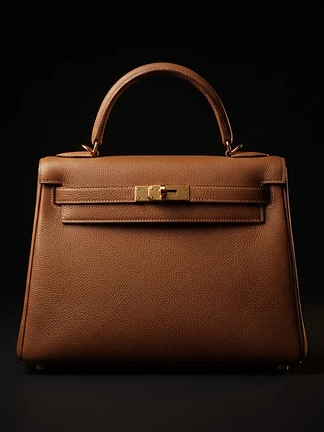
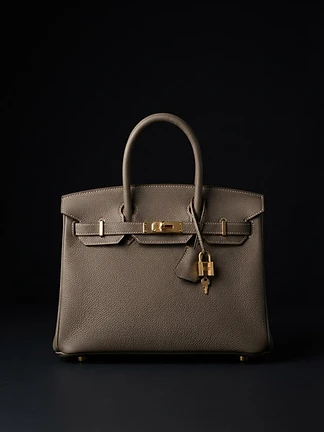
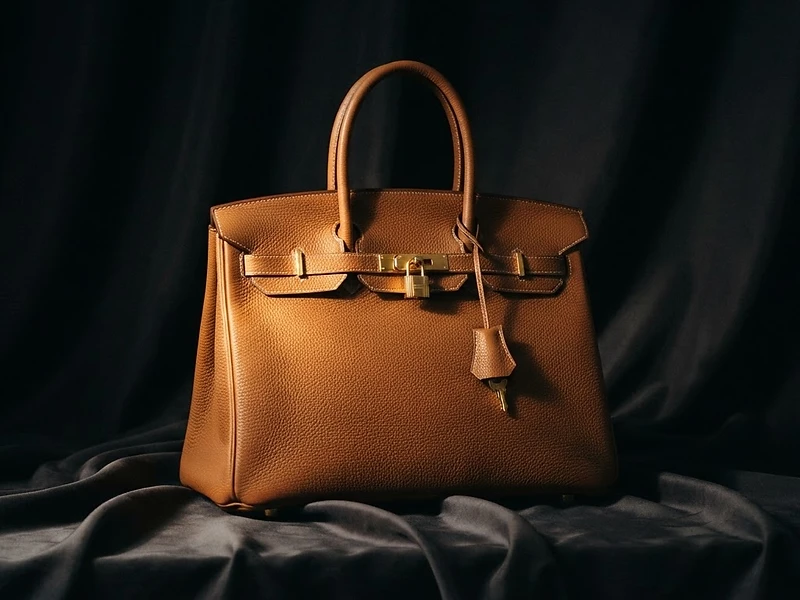
Through six generations of the Dumas family, Hermès expanded from saddlery into the objects that now define it: the Haut à Courroies, the Kelly (named for Grace Kelly in 1956), and the Birkin, sketched on an airplane sick-bag in 1984 after a chance encounter between Jane Birkin and Jean-Louis Dumas.
Every Hermès bag is saddle-stitched by a single artisan — two needles and waxed linen thread, a seam that can be re-stitched but never cut. A Birkin takes roughly eighteen to twenty-four hours of hand work, and a craftsman's signature is pressed, blind, into the leather.
1837
Founded
18–24
Hrs / Birkin
1
Artisan / Bag
VI
Generations
Signature references — Birkin · Kelly · Constance
Current Inventory
Held in the Vault
4 Objects